Our Lindy 3 and 4 teachers this block are a rotating cast of teachers from the Amsterdam-based collective The BackBeat. Just like two years ago when we had Julia and Peter (also sometimes known as DJ Syncopeter) they will share an album of the week (approximately) every week by artists they care about, including some historical context and fun trivia. This made us really enthusiastic about learning more about the cultural background and music, so we thought we’d share the love by putting all of them on our website.
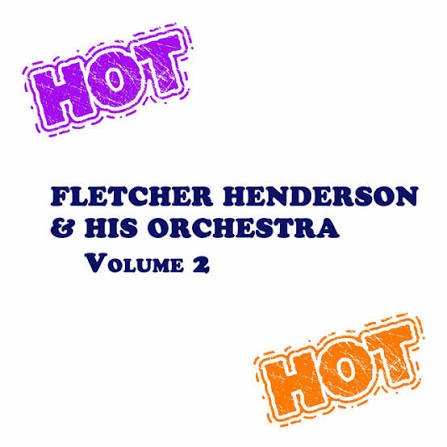
This week’s AOTW is a compilation of Fletcher Henderson’s songs.
Listen to the album on Spotify
Listen to the album on Apple music
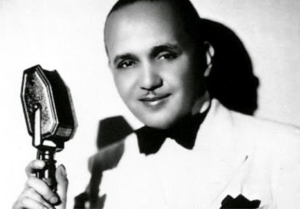
Fletcher Henderson, born James Fletcher Hamilton Henderson in 1897, was a pianist, bandleader, arranger, and one of the most important architects of what we now call swing jazz. He was deeply embedded in the Harlem Renaissance, moving in the same cultural circles as writers, painters, and intellectuals who were reshaping Black American art in the 1920s and 30s. Black Americans were moving in the thousands from South to Northern US, escaping racism and segregation in the South, where they had more opportunities. There Black American Art turned from being a subject of art into Artist. Henderson didn’t just play music — he helped redefine what jazz could be.
Together with Duke Ellington, Henderson was instrumental in the transition from small-group Dixieland into large-ensemble swing. Where early jazz relied on collective improvisation, Henderson began breaking the band into sections — brass, reeds, rhythm — and letting them talk to each other. Call and response became a central feature of his arrangements, creating tension, release, and clarity. For dancers, this was revolutionary: suddenly the music had structure you could feel in your body.
One of the turning points in Henderson’s career was his collaboration with Louis Armstrong, who joined his band in 1924, even though for just a year at that time. Armstrong’s rhythmic freedom and phrasing pushed Henderson’s orchestra toward a more modern, swinging feel, breaking up strictly arranged pieces with improvised sections. Many historians point to this period as the moment when jazz truly began to swing, not just bounce.
Henderson had an exceptional ear for talent — but less talent for keeping it. His bands became launching pads for musicians who would go on to define the swing era, even if they didn’t stay long – such as Coleman Hawkins, Benny Carter, Roy Eldridge, and Cootie Williams. Financial instability and management struggles meant that Henderson often lost his best players just as things were heating up. Still, his musical ideas lived on.
In fact, many of the arrangements we now think of as the “standard versions” of swing tunes started life in Henderson’s orchestra. Think of sugar, riffin’, King Porter Stomp, Sugar Foot Stomp, and Sing Sing Sing.
Through financial necessity, he sold a large number of his arrangements to Benny Goodman, who later hired Henderson directly as his arranger.
Among musicians, Henderson was also known by the nickname “Smack” Henderson, a reference to his distinctive habit of smacking his lips.
This week’s Album of the Week focuses on Fletcher Henderson’s big band recordings from the early swing years (often compiled under titles like A Study in Frustration or similar Henderson anthologies). These recordings might sound lighter than later Basie or Goodman sides, but listen closely: the DNA of swing is already there. Sections answering each other, riffs stacking up, space opening for improvised solos, then snapping back into ensemble order.
For dancers, Henderson’s music is a masterclass in musical architecture. Follow the call and response between sections. Notice how phrases are clearly marked, almost like sentences in a conversation. Try dancing not just to the beat, but to who is “speaking” in the band at any given moment.
Without Fletcher Henderson, swing as we know it would not exist — or at least not in the form that filled ballrooms, fueled dancers, and shaped generations of jazz musicians. If Ellington gave swing its colour and Basie its groove, Henderson gave it its grammar.
If you’d like to read more about the Harlem Renaissance, here’s an additional short article about it
Thank you very much for sharing this with us Peter & Julia!